
























ROLDA UK participation at meeting group APDAWG
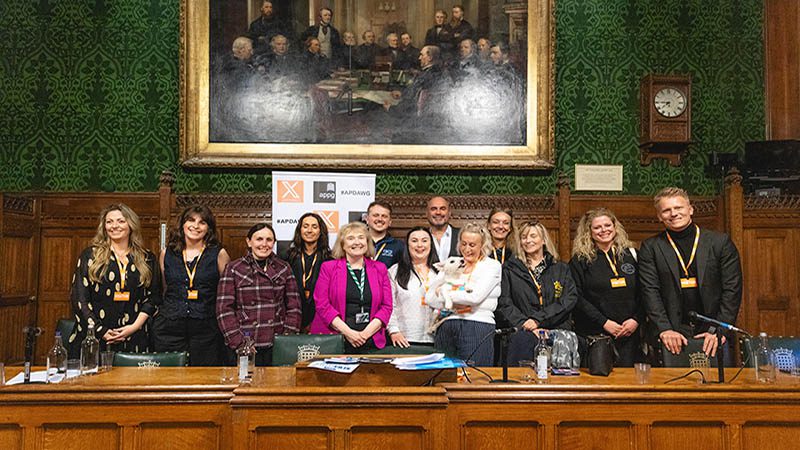
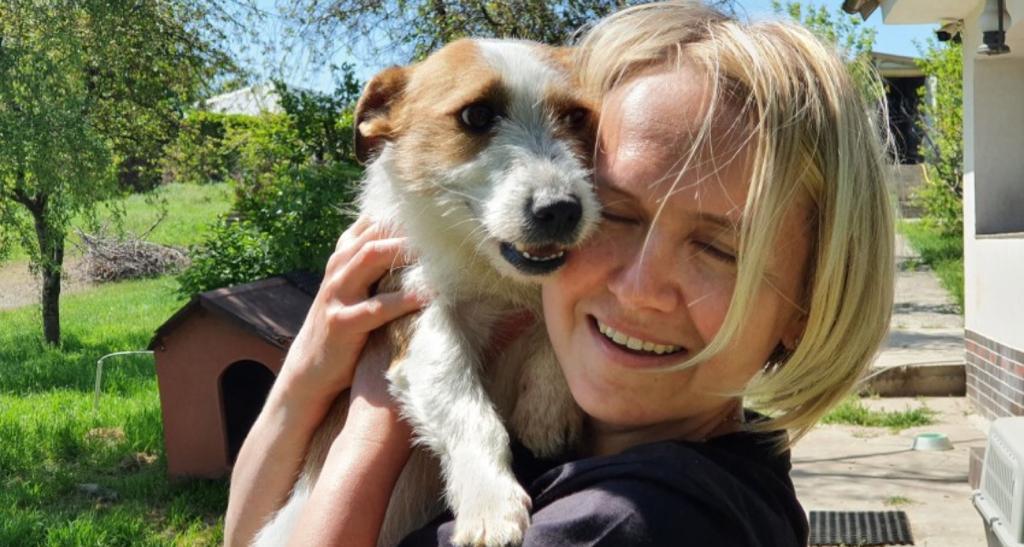
On Tuesday, 24th, Madeleine from the ROLDA UK Team set off for London. It was a special day in the Houses of Parliament as the All-party Parliamentary Dog Advisory Welfare Group met for the third “State of UK Rescue” event and with a kind invitation from Marc Abrahams himself, I was due to speak and give my presentation.
The parliamentary group was set up in 2017 to bring industry professionals together to discuss, challenge, highlight and offer solutions to improve the health and welfare of animals and their humans. Meetings take place every few months and include informal presentations with a chance to network and encourage discussions around working together to make the sector stronger and with the hope of changing legislation that impacts heavily on our animals.
The February meeting she attended was to highlight the many issues that the rescue sector faces and a chance to discuss ways forward as a collective:
“From the ongoing hangover of abandoned pandemic pups to a seemingly never-ending cost-of-living crisis, plus the increasingly compromised mental health of rescue shelter staff & volunteers, the no. of greyhounds currently ‘stuck’ in the system awaiting spaces at rehoming centres; there’s clearly still so much that needs support, improving & fixing.
Worryingly, dog rescue in the UK remains still in a state never seen before, but with a long awaited Government consultation into licensing rescue shelters now on the cards APDAWG is, once again, truly honoured to be joined by some of the most respected voices from across the sector, generously sharing their experiences past & present…” – APDAWG Website.
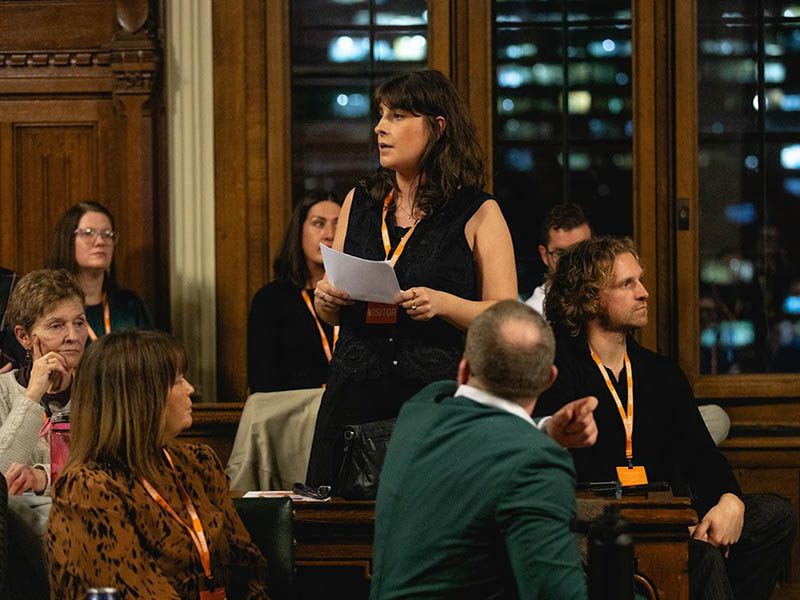

It was incredibly inspiring being in a room full of fellow rescue advocates who all had such inspiring stories to tell and reasons for operating the rescues they do. There was an astonishing amount of experiences which felt crucial in coming together as a collective and taking inspiration to better our foundations for animals worldwide.
From rescues supporting ex racing dogs, to those offering sanctuary and medical care to council pound dogs, to charities offering support to disabled dogs just wanting to live their best lives and other individuals speaking with incredible heart and passion who do what they do, not because they get paid necessarily but because they understand that if they don’t do this work it is only the animals that suffer.
“It was important to me that I shed a light on ROLDA’s work and how change starts within – spay, neuter, education and campaigning for better laws within the UK but also world wide. I was also able to discuss how this cycle sometimes starts with so many dogs ending up in rescue due to a lack of general knowledge around canine breeds, behaviour and communication – leading many to end up in rescue when expectations are not. It made me proud that we as an organisation offer this training and behaviour support to our adopters, so we can mitigate these communication and training concerns before they reach crisis point.
It also showed me that overseas rescue should always have a seat at the table and there are charities working hard to make the safety and welfare of dogs all over the world a priority. Overseas dogs now make up 5-8% of dogs in the UK and if we do not continue to support the charities doing this ethically and sustainably, then the strain on UK rescue centres will only increase. Further, the dog population will continue to grow and it is thanks to ROLDA’s free neuter and spay campaigns that we are proudly keeping a cap on these numbers in Romania, can the same be said for here in the UK? It is charities like us, who should be recommended and highlighted amongst the noise and fear mongering around rescuing a dog from overseas – because rescue and animal welfare should know no borders or limits.”
Here is an excerpt from my speech:
“It is important to me that we don’t shy away from the fact that overseas adoption is now a part of our UK rehoming system and is not something to fear. I joined my current role to set a clear standard when it comes to sustainable and ethical adoption from overseas. Such as behaviour assessments, strict health tests and a growing foster network which remains the reason we can offer rescue back up without relying on UK shelters. With on-going training and behaviour support offered to our adopters, I have worked with some incredible overseas dogs who have settled well into UK life and are adored by families who have been totally committed to them and touched by their unique personalities. These dogs deserved a right to a home as much as any dog in the UK.”
Do you want to hear more news about our stories?
You can unsubscribe from our newsletter at any time. See Privacy Policy
Related content
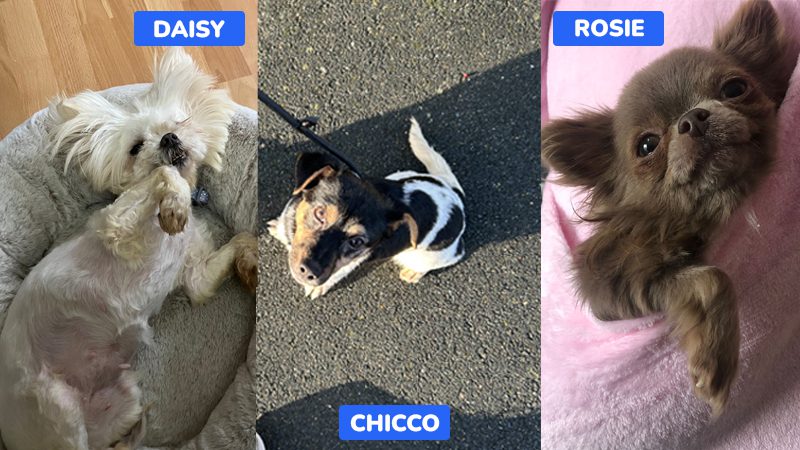
Happy Tails: #ROLDAdogs adopted in UK
After waiting patiently and passing their relevant health checks to be able to travel to the UK, Chicco, Rosie, Daisy, Teddy set off on 12th Jan to their very patiently waiting new foster and adopter families! It was a long journey for the brave souls and they finally landed in the UK on 16th January, ... ROLDA UK participation at meeting group APDAWG
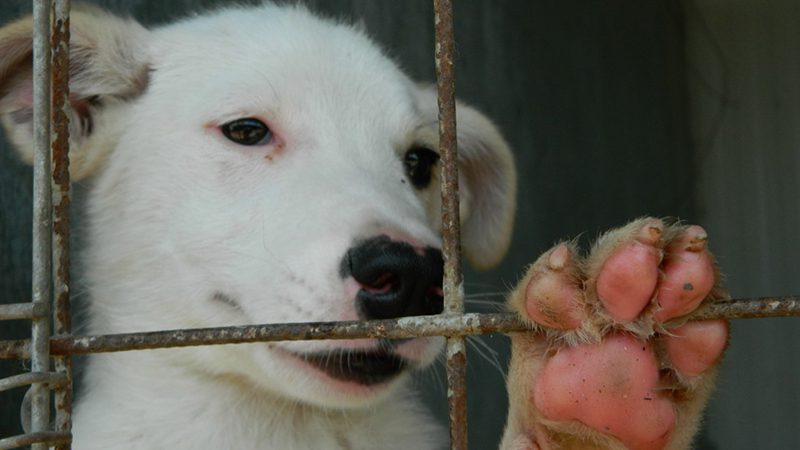
Adopt a dog in Plymouth
Imagine being able to help two dogs at the same time! All you need to do is adopt a dog in Plymouth. Yes, you read that right. One dog gets adopted, and another one gets saved. Or you could also adopt two dogs, but we know few people have such resources, so even finding one ... ROLDA UK participation at meeting group APDAWG
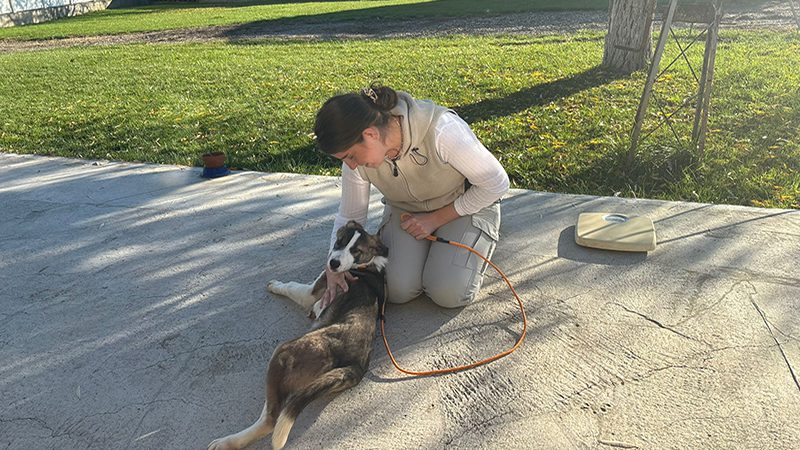
Maddy’s Trip to ROLDA shelters
Getting on a plane and driving across a country could feel like an arduous task at hand but given the bigger picture at play, I knew this was going to be a special one. Last week, I flew out to meet the dogs and cats at our shelter in Galati, Romania and was truly touched ... ROLDA UK participation at meeting group APDAWG
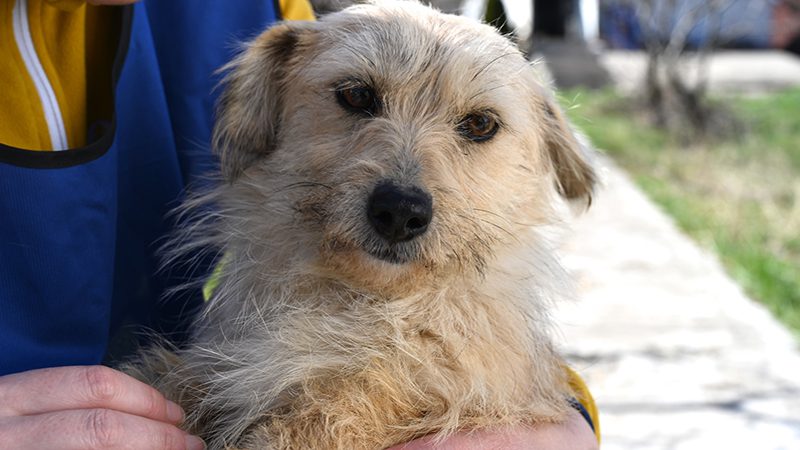
Adopt a dog in Wales
Adopt a dog in Wales and help us fulfill our dream of finding forever homes for most residents of the ROLDA shelter. We have over 700 dogs needing loving people to welcome them to their homes and hearts. While we know we probably won’t find homes for all of them, we still know we did ... ROLDA UK participation at meeting group APDAWG
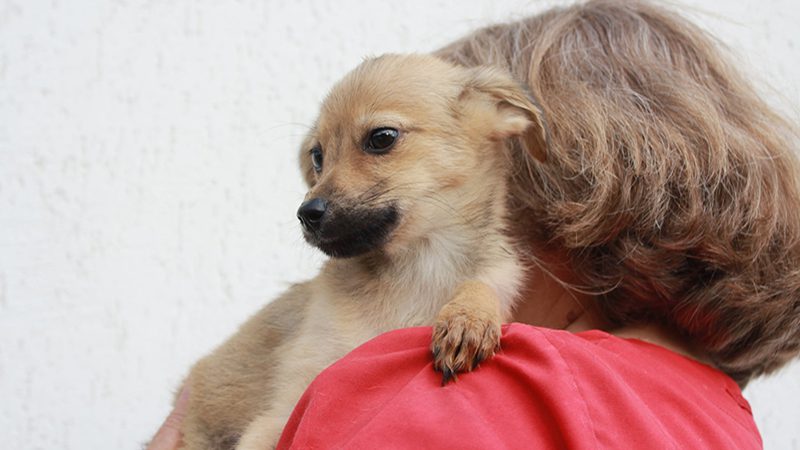
Adopt a dog in Southampton
How wonderful that you want to adopt a dog in Southampton and choose one of our pups! We rely so much on international adoption because our main goal is to find a home for each rescued dog. While our shelter is built and run with extra care, kept operational at high standards, and ensures that ... ROLDA UK participation at meeting group APDAWG